Gross sales from Leviathan, Tamar and Karish hit $1.46 billion in Q2, up 44% on the quarter. The Eastern Mediterranean's gas machine is now a fiscal pillar — and a diplomatic one.
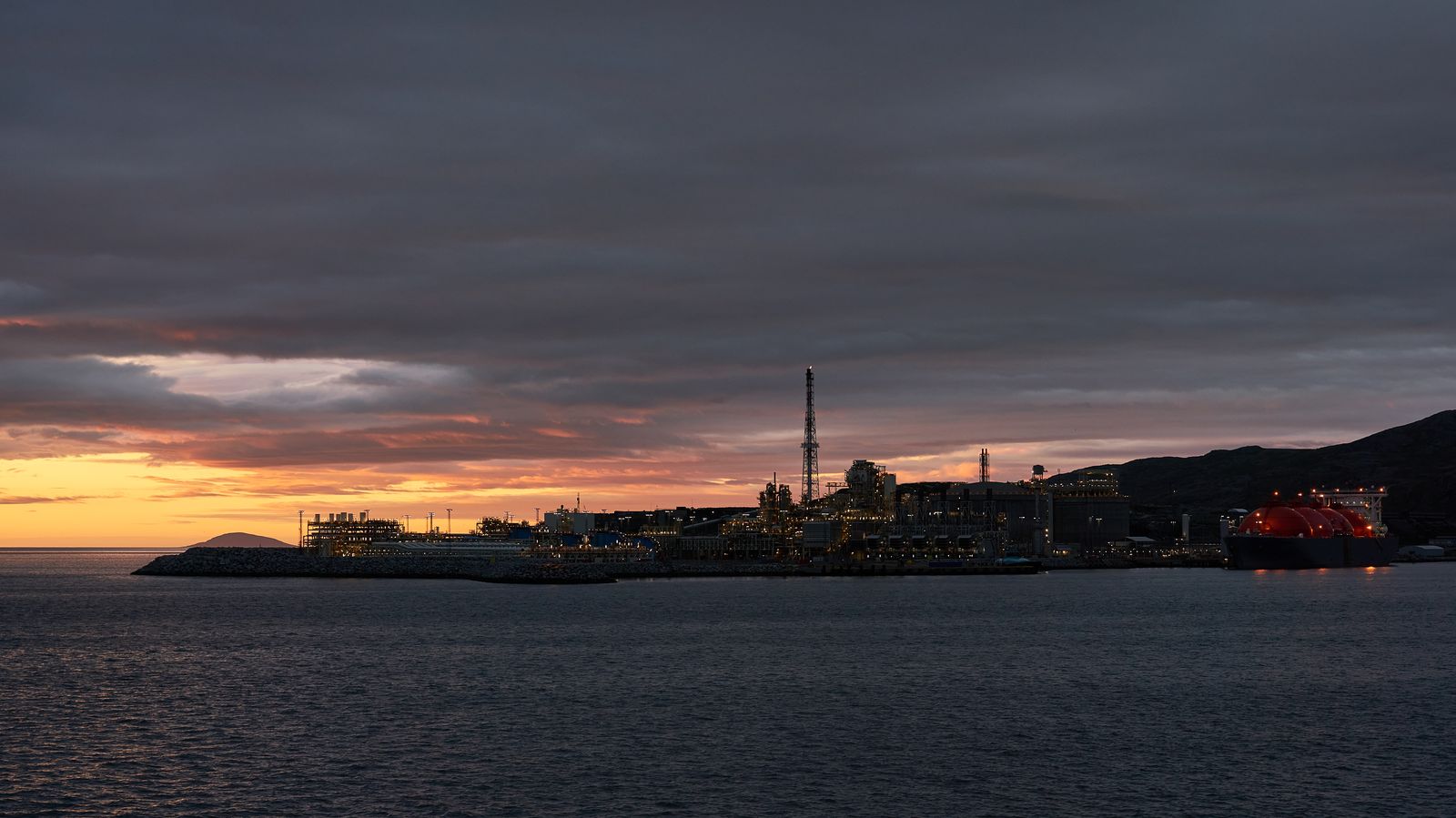
Beneath the wars and the warnings, Israel built an export machine. One point four six billion dollars in a single quarter — from gas fields that did not exist fifteen years ago — and the money now shapes budgets, alliances and the map of the Eastern Mediterranean.
The MEES numbers for the second quarter are the kind that rewire assumptions: $1.46 billion in gross sales from Leviathan, Tamar and Karish, up 44% in three months, the second-best quarter in the history of Israeli gas. Leviathan did the heavy lifting — its export contracts, priced off Brent, turned $97 oil into gas revenue, the alchemy of linkage clauses working exactly as designed.
Follow the molecules and you follow the diplomacy. The bulk flows to Egypt — feeding domestic demand and the Idku and Damietta LNG plants that re-export to Europe — with Jordan taking its steady share under the long-term deal that survived every political storm. Israeli gas has become load-bearing for two Arab neighbors' energy systems. That is not a footnote; in this region, it is a security architecture.
Follow the molecules and you follow the diplomacy.
NewMed's $581 million bond raise is the market's vote on what comes next: the next development phase — Leviathan expansion, new drilling — funded now, at scale, because the cash flows justify it. Bond buyers do not finance geology; they finance contracted cash, and Israeli gas has never had more of it.
The fiscal angle is underappreciated. Royalties plus the Sheshinski excess-profits levy mean the state's take rises faster than the headline revenue — gas is becoming one of the budget's structural pillars, the kind of income that funds choices rather than merely covering bills. In a country running war-adjacent deficits, that matters enormously.
This is distinct from our morning's Aphrodite–Ishai reporting, which was about tomorrow's fields. This is about today's: the machine is running, the quarter is historic, and the Eastern Mediterranean's energy map now has an Israeli center of gravity that will outlast the current wars.
Europe's Western lens is supply arithmetic. Every cubic meter of Israeli gas that reaches Europe via Egyptian LNG is a cubic meter not bought from Russia — the diversification math that made Brussels bless the EastMed pipeline dreams years ago. The Western read: $1.46 billion quarters make Israeli gas a structural, not cyclical, piece of Europe's energy security.
Washington's lens is alliance management. Israeli gas flowing to Egypt and Jordan is the Abraham Accords' economic engine made tangible — energy interdependence as peace infrastructure. The US read: protect these flows, and the region's politics get incrementally cheaper to manage.
Cairo's Eastern lens is the buyer's leverage. Egypt imports Israeli gas, liquefies it and re-exports at a margin — the middleman's profit on someone else's molecules. As Israeli volumes grow, so does Egypt's dependence on the supplier — and the supplier's dependence on the route. The Eastern read from Cairo: interdependence, carefully counted.
The Gulf's lens is competitive. Qatari and Emirati LNG strategists watch Leviathan's expansion the way incumbents watch a disruptor: $1.46 billion quarters fund the drilling that could one day contest Asian LNG market share. For now it is Mediterranean gas; the Gulf is watching whether it stays that way.
The Global South's lens is the development model. Fifteen years from discovery to $1.46 billion quarters — through regulatory battles, the Sheshinski levy fights and export-policy wars — is a case study in converting geology into state capacity. For gas-rich developing nations from Senegal to Mozambique, the Israeli playbook (tax it hard, export it strategically, spend the proceeds on choices) is the one to annotate.
The harder Southern reading is about who the gas serves. Export premiums enrich the state and the operators; domestic Israeli consumers still pay some of the region's highest energy prices. The South knows this pattern intimately: the resource funds the treasury while the household pays the bill.
