Global carriers are planning trial voyages through Suez in October, canal revenue is up 23% on the year, and Egyptian banks are weighing another $300M loan to the Canal Authority. The world's most important ditch is coming back to life.
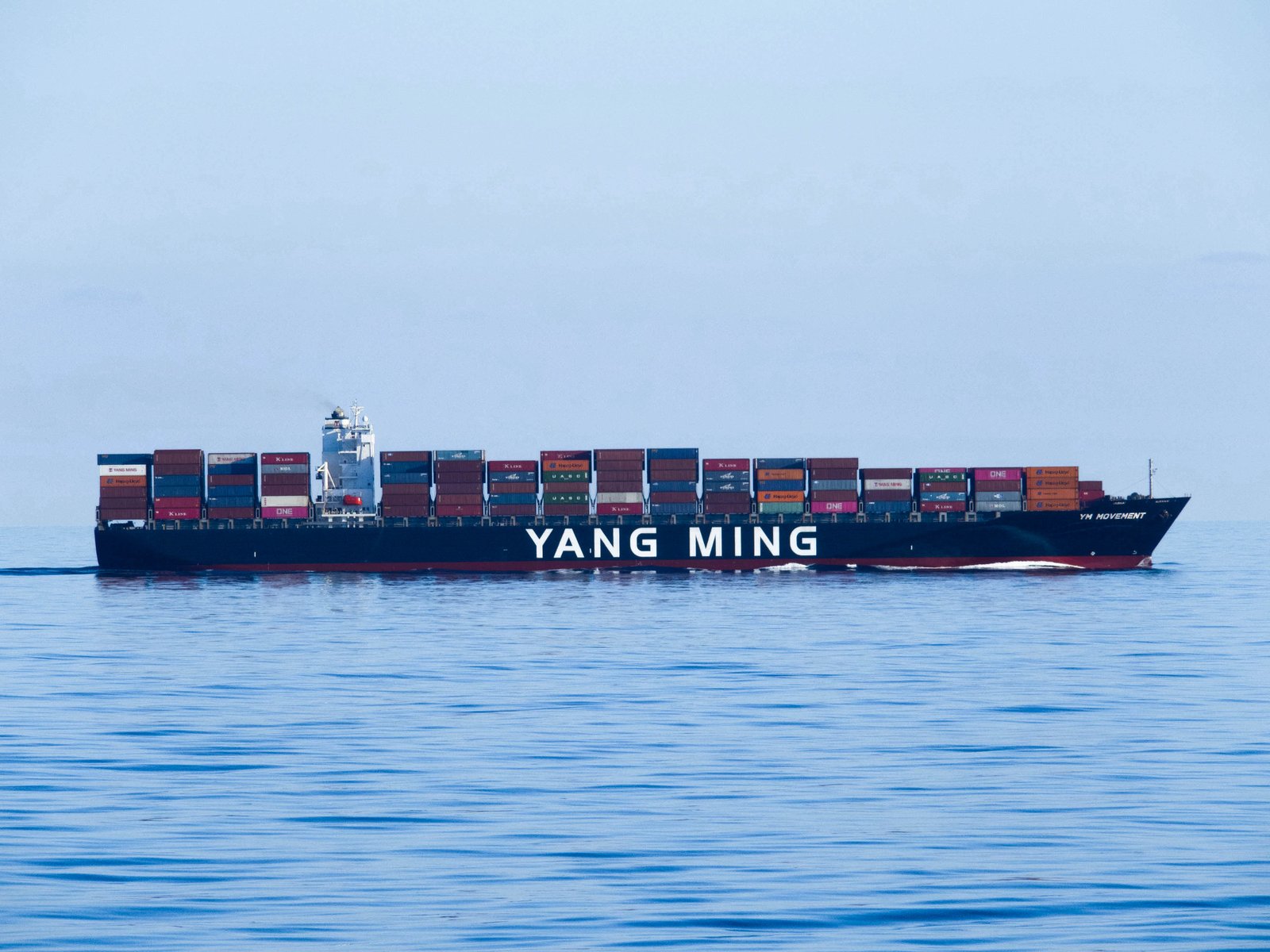
The ships are coming back to Suez — cautiously, one trial voyage at a time. In October, OOCL will send a test transit through the canal, the industry's balloon for a wider return; CMA CGM, which already slipped a ship through in May, and Cosco are arranging their own trials. After three years of war-risk surcharges and Cape of Good Hope detours, the world's most important ditch is auditioning for its old job.
The numbers tell the story of a wound healing. Suez Canal Authority revenue reached $4.67 billion in the 2025/26 fiscal year — up 23% on the year, with August alone bringing in $800 million. That is a genuine recovery from the 62% collapse of 2024, when the Red Sea crisis emptied the canal. It is also, and the Authority knows it, less than half of the $10.2 billion the canal earned in 2023. Healing is not healed.
The carriers' choreography is the real signal. Nobody is announcing a full return; everyone is arranging a 'trial.' CMA CGM, Cosco, OOCL — the industry is moving the way it always moves, in formation, each watching the other. A trial voyage is the shipping industry's version of dipping a toe in the water: it tests insurance, security, and the canal's readiness without committing the schedule.
A trial voyage is the shipping industry's version of dipping a toe in the water.
Behind the trials sits the money question. Egyptian banks are mulling another $300 million loan to the Canal Authority — the second such facility — because the Authority's books still carry the hole the crisis blew in them. Egypt has, by one accounting, lost $2 billion to the canal's travails. The loans are a bridge; the traffic is the destination.
And the calendar is not neutral. The IMF's review of Egypt's $8 billion program is expected to conclude by mid-November, with $1.2 billion in disbursements at stake. The Fund's mission was in Cairo on September 22–23; the pound is steady near 50.95, reserves are at $50.73 billion, and a functioning canal is the single best argument Egypt can make that its external accounts are healing.
Beneath the surface, the deeper question is whether the Red Sea is actually safe or merely quiet. The carriers are betting on the latter being enough — war-risk insurance can be priced, convoys can be arranged, and the Cape route's extra weeks and fuel are a cost the industry is tired of paying. The trial voyages are, in this sense, an experiment in pricing fear.
What happens next is arithmetic. If the October trials go smoothly, the trickle becomes a stream by year-end; if a single incident interrupts them, the Cape route keeps its traffic for another year. The canal's recovery, like its collapse, will be decided one ship at a time.
Western coverage — Lloyd's List, the shipping press — reads the return as the market normalizing: insurance markets have learned to price Red Sea risk, the war-risk premium has a number now, and the Cape detour's economics no longer justify themselves. The trials are presented as the industry's collective due diligence.
The Western lens also watches the IMF angle. A recovering canal strengthens Egypt's external position ahead of the review; Western commentary tends to treat the trials as good news for the program — and for European supply chains that never liked the Cape route.
Eastern coverage reads the Suez story through the chokepoint lens: whoever controls the corridor taxes the world's trade. Xinhua's framing notes that the canal's recovery restores a lever — and that the years of disruption taught every major power the same lesson about alternative routes.
The Eastern lens also notes the Chinese carriers' role. Cosco arranging a trial is, in this reading, Beijing testing the corridor its own trade depends on — the Belt and Road's maritime spine, back in business.
The Global South lens — Al Jazeera, the Egyptian press — reads the story as national recovery. The canal is Egypt's pride and its foreign-currency lifeline; every trial voyage is a small restoration of sovereignty over the country's own geography. The $300 million loan is covered not as a bailout but as a bridge the state is building for itself.
The South's deeper point is about who suffered the detour. The Cape route raised food and fuel prices across Africa; the canal's return is, for the continent's importers, a cost-of-living story before it is a shipping story.
