Brazil's president promulgated the free-trade agreement with the EFTA states by decree on September 23. It takes effect October 1 for Brazil and Iceland, November 1 for Norway — ten rounds of talks since 2017, now law.
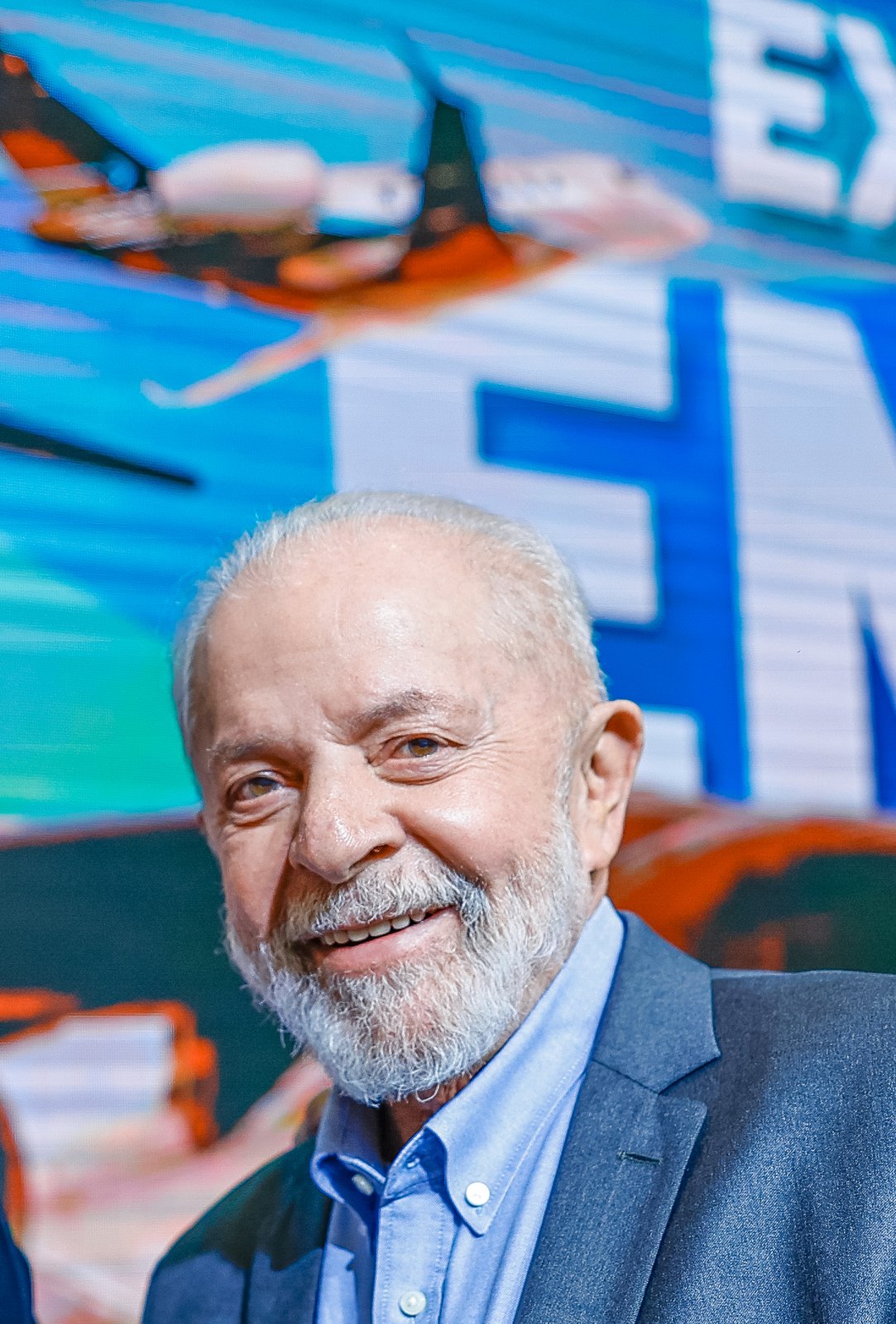
It took ten rounds, nine years, and one presidential decree. On September 23, Luiz Inácio Lula da Silva promulgated the free-trade agreement between Mercosur and the EFTA states — and on October 1, it becomes law in Brazil and Iceland, with Norway following on November 1. In a year of tariff wars, a trade deal actually opened.
The arithmetic of the prize is straightforward. The EFTA — Iceland, Norway, Liechtenstein, Switzerland in the grouping's orbit — holds about 15 million people and $1.4 trillion in GDP, with per-capita income near $93,000. It is a small market and a rich one: exactly the kind where Brazilian agriculture, the deal's great winner, sells at a premium.
More than 97% of Mercosur products will enter the EFTA market tariff-free. For Brazil's exporters — soy, beef, poultry, the commodities that built the country's trade surpluses — the agreement removes the last friction on a wealthy doorstep. The negotiation, resumed in 2016 after years of drift, ran ten rounds from 2017 to its December 2025 signature.
In a year of tariff wars, a trade deal actually opened.
The timing is the story's sharpest edge. This is a free-trade agreement entering into force in the middle of a global tariff war — while Washington reviews the USMCA with a tariff gun on the table and Brussels and Beijing trade barriers. Lula's Brazil is placing the opposite bet: that openness is the winning trade in a protectionist decade.
Beneath the surface, the deal is also a Mercosur story. The bloc — long criticized as a customs union that constrains more than it liberates — has now delivered two landmark openings in two years, with the European Union agreement also in the pipeline. The members that implement first, starting with Brazil, set the pace; the laggards will feel the exporters' impatience.
What happens next is implementation at speed. October 1 for Brazil and Iceland; November 1 for Norway; the remaining members to follow. The exporters are ready — they have waited nine years. The only question is whether the politics of openness can survive the politics of the tariff age. On October 1, at least, the answer is yes.
There is a final irony worth savoring. The agreement the protectionists of 2017 feared — the one that would expose European farmers and South American industry — arrives in a world where both sides now fear exposure to Washington and Beijing more than to each other. The EFTA deal is not just a trade pact. It is a hedge both continents are buying against the same storm.
Western coverage — the trade press, Datamar — reads the pact as the liberal order's proof of life: while the great powers weaponize tariffs, the middle powers are still signing. The 97% tariff-free figure is presented as the headline number, and Brazil's first-mover implementation as the model for the bloc.
The Western lens also notes the contrast with Washington. As the USMCA review turns conditional on decoupling from China, the Mercosur-EFTA deal — open, multilateral, condition-free — is presented as the alternative template for 21st-century trade.
Eastern coverage treats the deal as a footnote — small markets, marginal volumes — but notes the direction of travel: the Global South is signing its own trade architecture while the West fragments its own. Xinhua's line frames it as multipolarity in practice: blocs dealing with blocs, without Washington in the room.
The Eastern lens also spots the commodity angle. Brazilian soy and beef flowing tariff-free into rich European markets strengthens the South American supply chains that China also depends on — in this reading, every Mercosur opening indirectly serves the Eastern market too.
The Global South lens — Brazilian and Latin American outlets — reads the story as vindication. After years of being told Mercosur was obsolete, the bloc has produced a working free-trade agreement with some of the world's richest consumers. The coverage is celebratory but pointed: openness works, and the South can practice it without permission.
The South's structural point is about agency. Lula promulgated by decree, Brazil implements first — the story is told as the region writing its own trade rules while the great powers write tariffs. For the continent's exporters, October 1 is a payday nine years in the making.
