Suspected share-price manipulation triggered a liquidity crisis that forced regulators to liquidate 100+ investment funds. Asset freezes are being lifted, a ruling-party deputy chair resigned, and Erdoğan says the system is safe. The market disagrees.
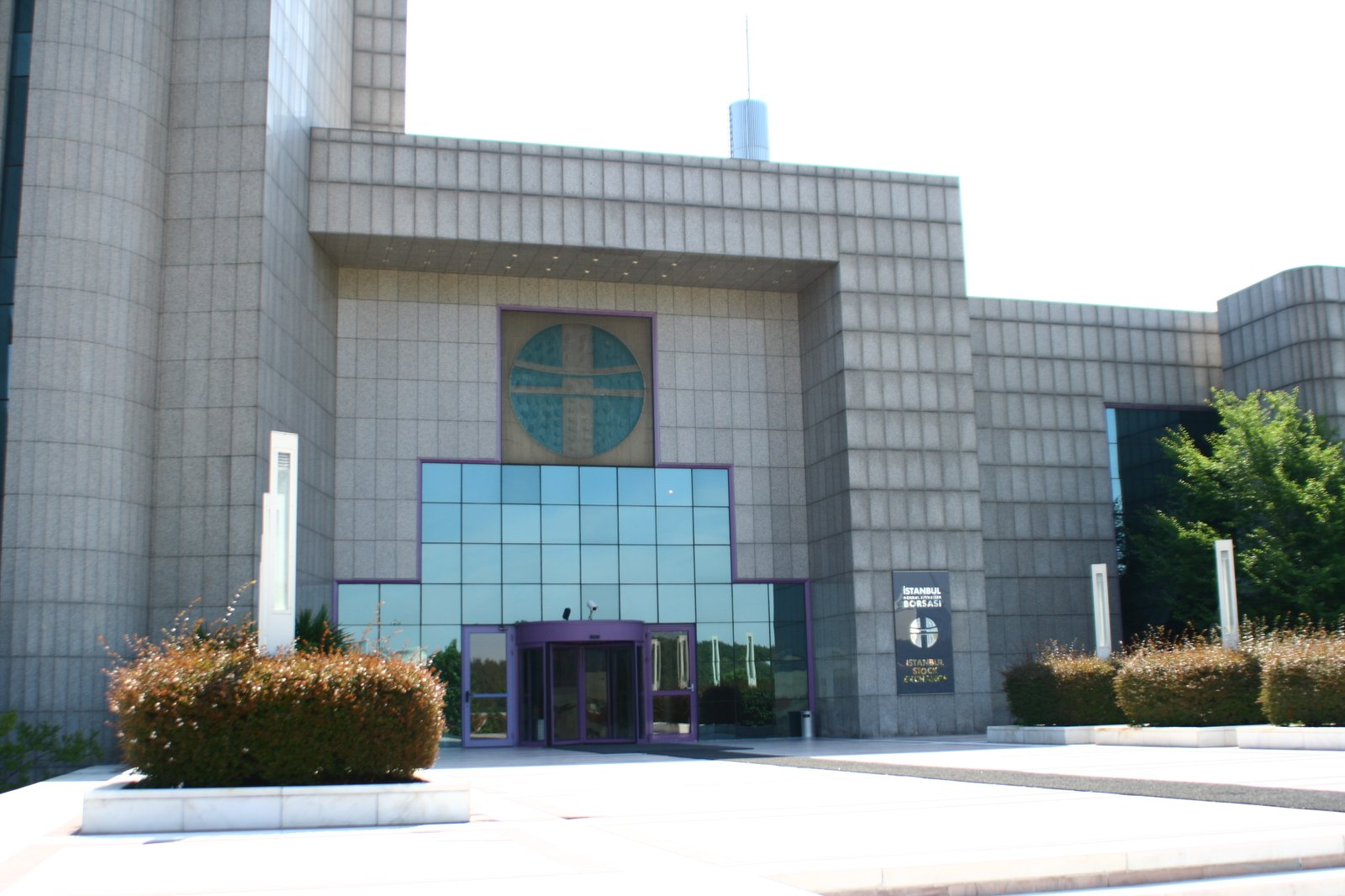
Half a million Turks woke up this month to discover their investment funds were being liquidated. Behind them: a suspected share-price manipulation scheme in thinly traded stocks, a regulator that moved to freeze first and ask later, and — at the weekend — the resignation of a deputy chair of President Erdoğan's own party. On Monday, Erdoğan said the financial system faces 'no risk.' The market, down 2.7%, declined to agree.
The mechanics of the crisis are almost textbook. Suspected manipulation in a cluster of thinly traded stocks triggered heavy losses at investment funds; redemption pressures followed — investors demanding their money at once — and the Capital Markets Board (SPK) ordered the liquidation of scores of funds during the liquidity crunch. The funds were worth around $20 billion. Their holders number almost half a million.
The state's response was swift and sweeping. The Istanbul chief prosecutor froze the assets of 46 companies, 18 funds and 42 individuals, and imposed overseas travel bans on 37 people. Justice Minister Akın Gürlek said investigators were scrutinizing large share transactions between July — when the funds peaked — and September 16, the day before the SPK's liquidation order. On Monday, after new SPK assessments, the freezes on the 46 companies were lifted.
In Turkish politics, 'political responsibility' is never just about shares.
Then the politics arrived. At the weekend, Fatma Betul Sayan Kaya — a deputy chair of Erdoğan's AK Party — resigned from her party posts after an opposition politician alleged she and her husband made substantial profits trading Ozata Denizcilik shares ahead of the turmoil. She said she was taking 'political responsibility' while the allegations are examined. In Turkish politics, that sentence is never just about shares.
On Monday, Erdoğan addressed the nation after the cabinet meeting: the problem was 'limited' to part of the fund market, there was 'no risk' to the financial system, and the legal process would run its course. 'When the economic security of our 86 million citizens is at stake, we will not show even the slightest hesitation,' he said. Finance Minister Mehmet Şimşek added that investor rights were being protected and liquidity support would continue.
Beneath the surface, the market is rendering its own verdict. The BIST 100 fell 2.7% on Monday after losing 2.9% the previous week — back to levels last seen in early March. Turkey's five-year CDS spread, the market's measure of default fear, rose to around 254 basis points, its highest since May. RBC BlueBay's Tim Ash captured the official posture dryly: Şimşek 'continues to spread a safety blanket across Turkish financial markets amid the ongoing fund collapse saga.'
What happens next is a test of containment. If the crisis stays in the fund market's 'limited part' — if the liquidations proceed, the manipulators are prosecuted, and the half-million investors are made whole — Erdoğan's 'no risk' holds. If the redemptions spread, or the resignations climb higher, the safety blanket starts to look like what it is: a blanket. The BIST is watching. So is everyone who lends to Turkey.
Western coverage — Reuters, the financial press — reads the crisis as an emerging-market governance test: a manipulation scheme, a regulator forced into emergency liquidation, and a ruling-party resignation in the same month. The frame is institutional — can the SPK and the courts contain this inside the fund market?
The Western lens also watches the CDS. At 254 basis points, the market is pricing real fear — and Western commentary notes the gap between Erdoğan's 'no risk' and the market's verdict with the skepticism of long experience.
Eastern coverage treats the Turkish fund crisis as a Western-style financial scandal in a non-Western market: speculative froth, thinly traded stocks, a regulator asleep until the crash. The framing is comparative — Istanbul's funds are presented as a miniature of the excesses the West lectures others about.
The Eastern lens also notes the political dimension with interest. A ruling-party deputy chair resigning over share trades is, in this reading, the system working — accountability extracted by scandal, the way it happens everywhere.
The Global South lens — Al Jazeera, regional outlets — reads the story through the half-million investors: ordinary savers whose funds are being liquidated through no fault of their own. The coverage asks the question the statements don't answer — who makes them whole, and how fast?
The South's structural point is about the pattern. Fund collapses, emergency liquidations, official reassurances — the developing world's savers have lived this script from Buenos Aires to Beirut. The names change; the blanket is always the same.
