Germany, Canada, Australia, Papua New Guinea, Zimbabwe, Brunei and Samoa pushed the BBNJ treaty past 100 parties at the UN General Assembly — and set up a January 2027 conference where only ratified states get a vote.
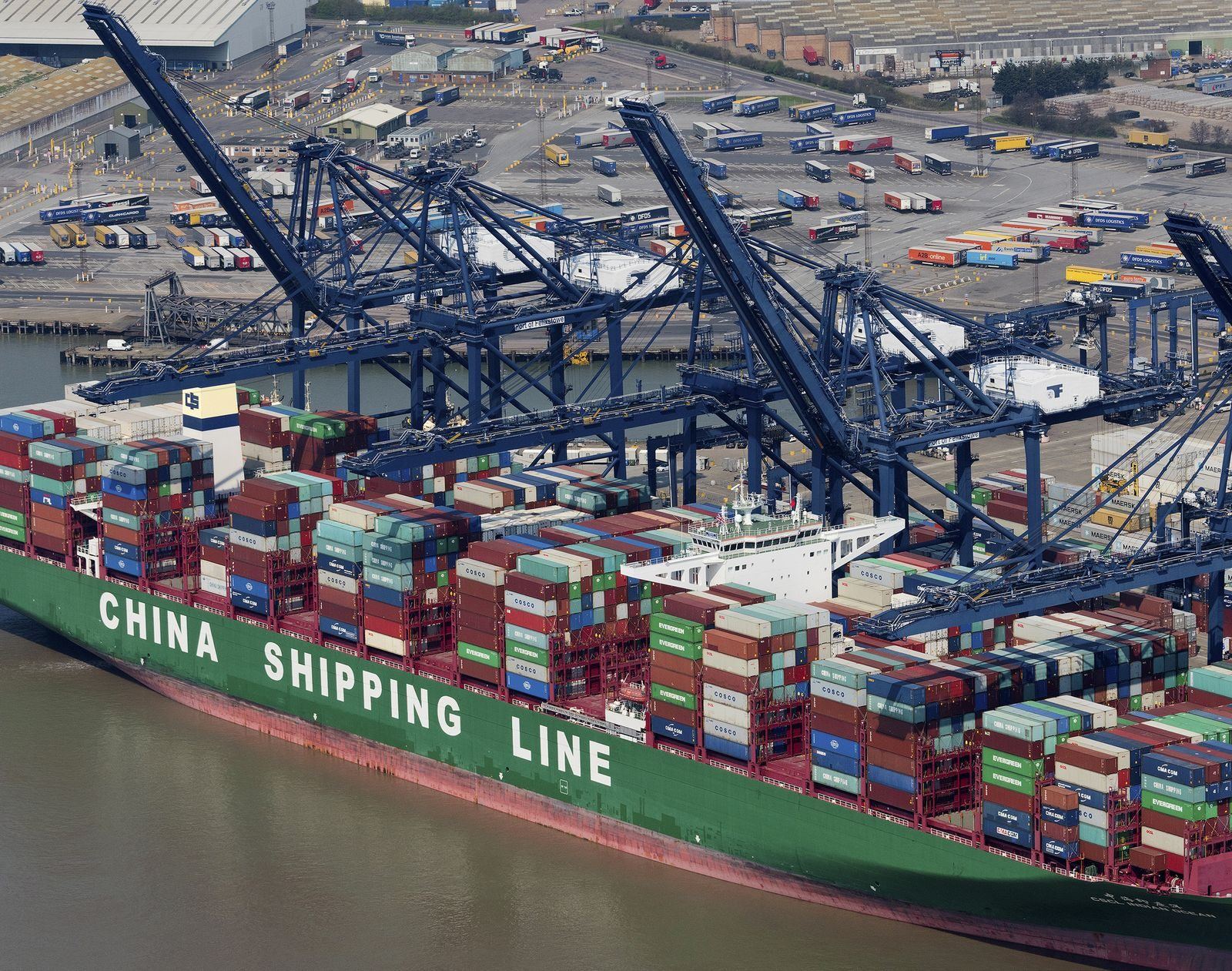
Two-thirds of the ocean belongs to no one, and until this year, no law governed it either. The high seas — the vast blue beyond every country's waters — were a legal vacuum where anyone could fish, mine or drill and no one was responsible. The BBNJ treaty, in force since January, is the first attempt to fill that vacuum. This week at the UN General Assembly it crossed 100 parties, and the race is now on for January 2027 — when the treaty's first conference convenes, and only those who ratified get a vote.
The week's ratifications read like a coalition built for the occasion: Germany and Canada from the industrial West, Australia and Papua New Guinea from the Pacific, Zimbabwe and Brunei and Samoa from the South. One hundred parties is the threshold where a treaty stops being an aspiration and starts being a jurisdiction.
The January 2027 deadline is the quiet engine of the story. The first Conference of the Parties will make the treaty's first real decisions — where marine protected areas go, how environmental impact assessments work, who pays. Only ratified states vote. Every country still deliberating is now on a clock, and the week in New York was a rush for the door before it closes.
“One hundred parties is the threshold where a treaty stops being an aspiration and starts being a jurisdiction.”
For maritime nations like Indonesia — the world's largest archipelago, straddling the Pacific and Indian Oceans — the treaty is personal. The high seas are where the tuna are, where the shipping lanes run, and where the deep-sea mining companies are circling. A legal framework means a seat at the table when those decisions get made; staying out means being governed by other people's rules.
The treaty's teeth are the two mechanisms: marine protected areas on the high seas, and mandatory environmental impact assessments for activities beyond national jurisdiction. Both were unthinkable a decade ago — the idea that anyone could tell a fishing fleet or a mining consortium what to do in international waters. Now it's law, for 100 parties and counting.
The 30x30 target — 30% of the ocean protected by 2030 — is the number that makes the treaty load-bearing. You cannot protect 30% of the ocean without the high seas, because the high seas are most of the ocean. Every protected area designated under BBNJ is a down payment on that target; every year of delay is compound interest working against it.
The absences matter too. The treaty's authority will be measured not by its 100 friends but by its missing parties — the major fishing and mining powers still outside. A high-seas protected area that the biggest fleets ignore is a line on a map. January 2027 will show whether BBNJ is a government or a club.
Western coverage celebrates the milestone as multilateralism working — the first high-seas governance framework in history, built by consensus, crossing the 100-party mark in its first year. Germany and Canada's ratifications are presented as the West putting its weight behind ocean governance, and the January 2027 COP as the moment the treaty grows teeth.
The caveat, duly noted: enforcement on the high seas has always been the hard part, and a treaty is only as strong as its compliance mechanism.
Eastern coverage is more transactional, reading the treaty through the resource lens: who gets to fish, who gets to mine, and who sets the environmental assessments that could block both. The ratification rush is covered as positioning — states securing voting rights before the rules get written, which is rational behavior, not idealism.
The interest is in the deep-sea mining question, where the treaty's impact assessments meet the International Seabed Authority's mining code. That collision is coming, and the Eastern lens is watching it.
The Global South lens sees the treaty as a decolonization of the ocean. For centuries the high seas were governed by the navies that could project power onto them — which meant the West. A treaty where Zimbabwe and Samoa vote alongside Germany is, in this telling, the ocean's independence moment: the commons governed by the commoners.
The test, the South insists, is benefit-sharing. If marine genetic resources from the high seas generate pharmaceutical fortunes, who gets paid? The treaty's answer to that question will decide whether BBNJ is justice or paperwork.
